Every fruit that start with J has a unique taste and has its benefits. Numerous 'J' fruits are a source of Vitamin C, which helps boost our immune system and is the reason behind glowing skin.
The fruits we mention contain a lot of potassium, which is beneficial for the heart and regulates blood pressure. Eating these fruits requires less digestion effort. Find many exciting facts about each fruit's history, production, and health benefits.
While exploring these fruits, you might want to incorporate them into small items, such as Luggage Tags.
You can cleverly incorporate your favourite fruit patterns, production stories, and health benefits into the design of custom luggage tags. Such custom luggage tags are exquisite accessories for your travel stories and a small-medium for sharing this healthy concept.

Whether as personal souvenirs or corporate promotional items in the fruit industry, custom luggage tags can make the recipient feel unique and thoughtful.
Let's see now how these fruits can helpful in your kitchen, from the foreign and dark-in-colour Jaboticaba to the rugged but versatile Juneberry.
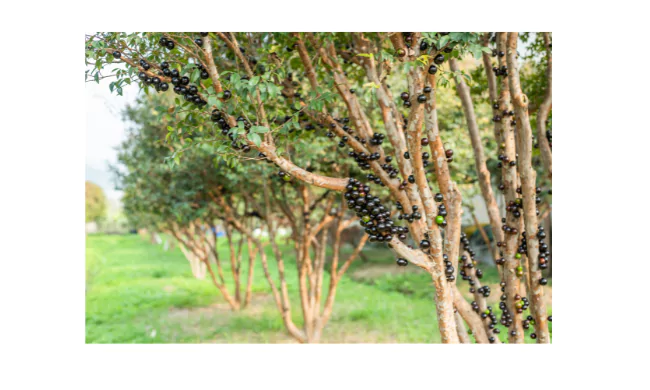
Jubilant Jaboticaba fruit from Brazil is small and grapelike. It grows in a very strange way. Instead of hanging from branches, the fruits grow directly on the tree's main trunk. The inside is soft and slightly tart, with one seed in the middle.
Surprisingly enough, not only the edible fruit but also its leaves are helpful. In Brazil, they are used in cuisine and tea-making.
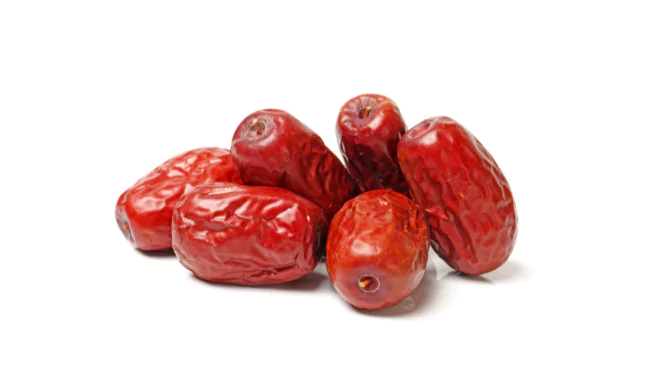
Also known as the Chinese date, when eaten fresh, it is green and crisp like an apple. However, it is usually left to dry on the branch or in the sun. As it dries, it turns red and gets sweet and chewy, much like a regular date. This fruit is a close relative of the [Indian Jujube]. Jujube and "Chinese date" are often used as an integral part of Chinese herbal medicine and cuisine recipes.
How it is commonly used:
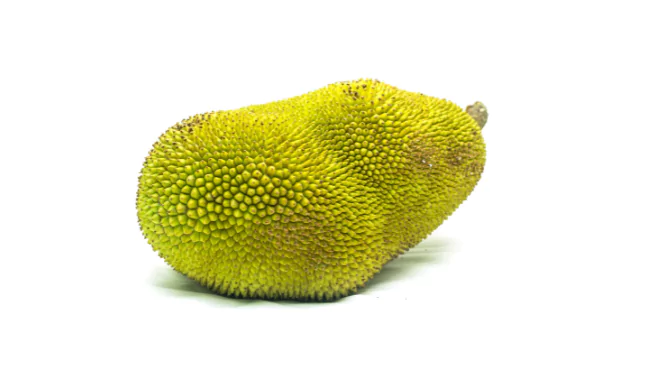
This is the largest tree-grown fruit in the world. Inside the spiky green rind are bright yellow edible pods. It is the best source of dietary fiber, vitamin C, and many other essential nutrients. When ripe, it tastes like a mix of mango and banana. Unripe jackfruit has a stringy texture that shreds easily, which is why it is a common plant-based meat alternative for tacos and curries. Only one tree can produce 200 fruits annually.
Just keep in mind that while jackfruit shreds exactly like meat, it contains almost zero protein. If you are using it as a main course, you will need to get your daily protein intake from another source, like a vegan protein shake.
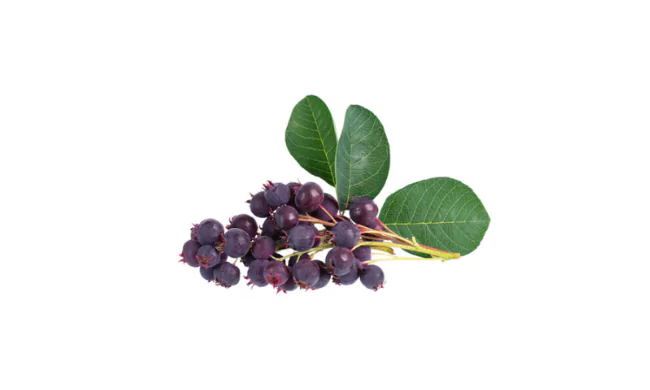
Juneberries look a lot like standard blueberries. They have a mild, sweet taste and are commonly picked by foragers to make jams, pies, and homemade wines. If you are foraging for wild berries, just make sure you know what you are looking for so you don't accidentally pick [toxic honeysuckle berries].
The Japanese Plum is actually closer to an apricot than a true plum. While they can be eaten fresh, they are mostly known in Japan for being salt-pickled to make umeboshi (sour plums), a very tart ingredient used inside rice balls.
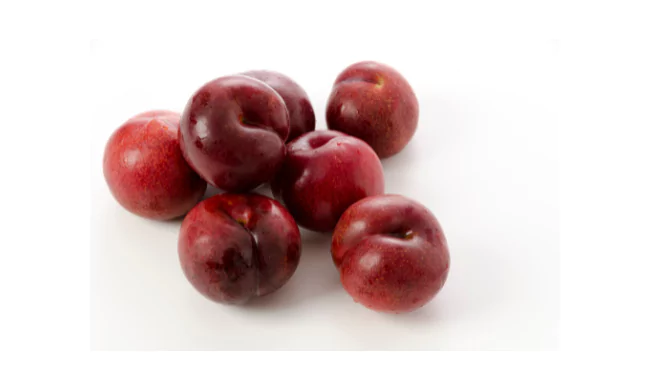
Much like the Ice Apple, this is a [common summer fruit in India]. It has dark purple skin and a sweet-and-sour taste that leaves your mouth feeling a bit dry. In traditional medicine, it is often eaten to help manage blood sugar levels.
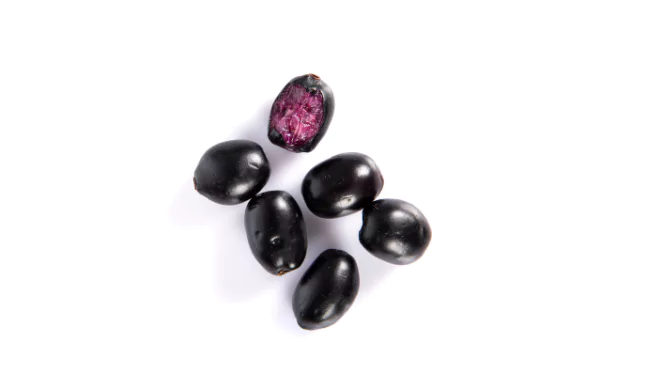
What we know today as jostaberry is a mixture of gooseberry and blackcurrant that combines the best attributes of both parents. The plant exudes the taste of the former and acquires the colours and growing capabilities of the latter. Thus, this European-born fruit has earned its place in many vegetable gardens and on many people's plates. It's widely known for its great content of vitamin C and antioxidants.
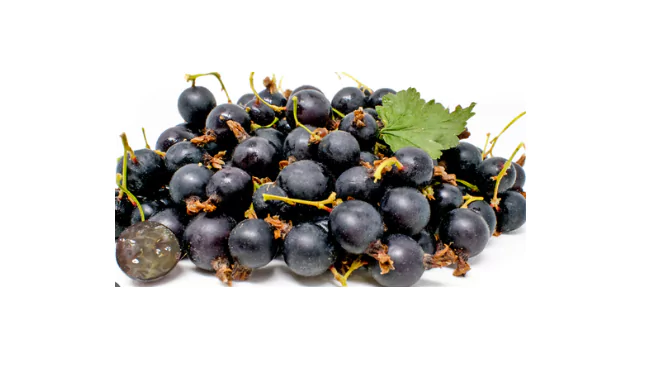
This Jamaican tangelo, or the Minneola tangelo, is known for its bell-shaped neck and sugary and sour flavour profile. It always attracts attention. Its authentic characteristic is bright orange-red, which contains vitamin C and dietary fibers.
This plant requires a tropical climate and adds some tropical sunshine to your fruit bowl. These fruit trees have many beautiful flowers and are often planted as ornamental plants.
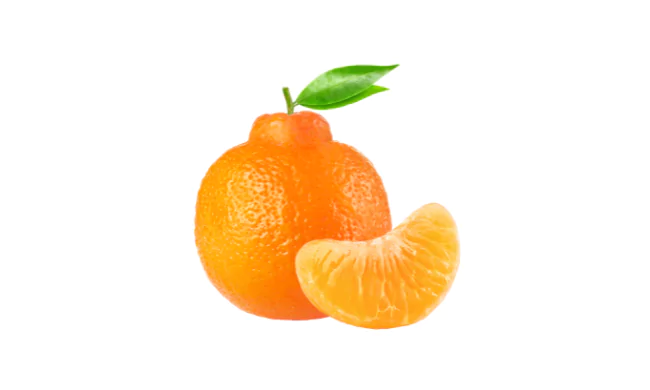
You can find a fruit growing in the jungle that looks like cherry fruit and tastes like a mixture of berries. This is Jungle Fruit, also known as Pitangatuba! This tiny red fruit is an excellent choice for those who enjoy tasting new flavours. The instant you take a bite, your tongue explodes with a sweet and sour taste, like a blend of strawberry, raspberry, and cherries.
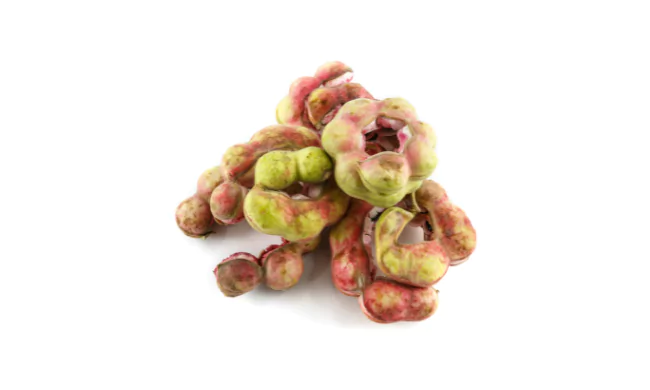
This bright orange fruit looks like a smooth tomato and is harvested in late fall. If you eat a persimmon before it is fully ripe, the tannins will make your mouth pucker and feel dry. You have to wait until it feels very soft, almost like a water balloon, to get that sweet, honey-like taste.
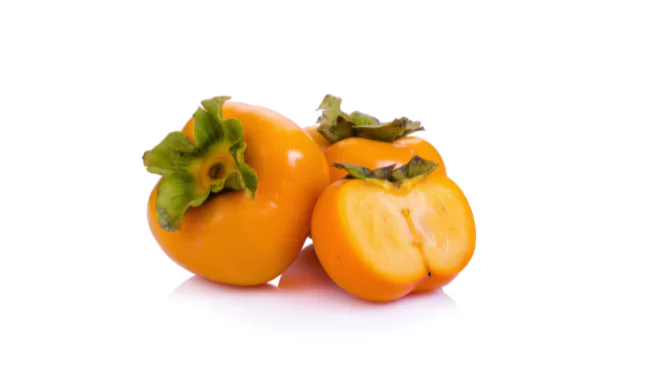
This isn't an actual berry; it is the seed cone of a conifer tree. They have a strong, bitter pine taste, so people do not eat them raw. Instead, they are used as a spice for cooking and are the main flavoring in gin. It comes from Europe and is not only used for cocktails but also for seasoning game dishes.
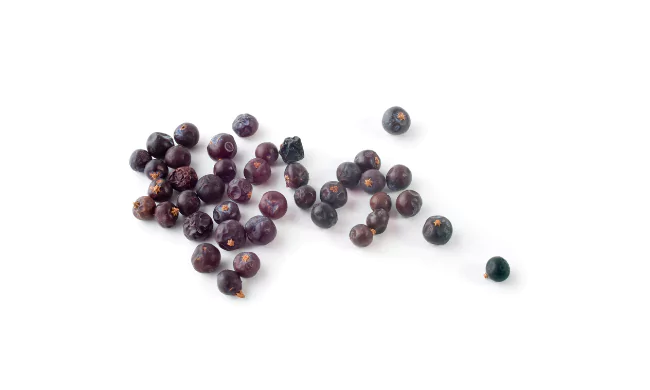
While the tree is famous for its hard wood, it also grows thick, brown seed pods. You have to crack the hard shell to reach the pulp inside, which has a dry, powdery texture and a sweet, slightly sour flavor.
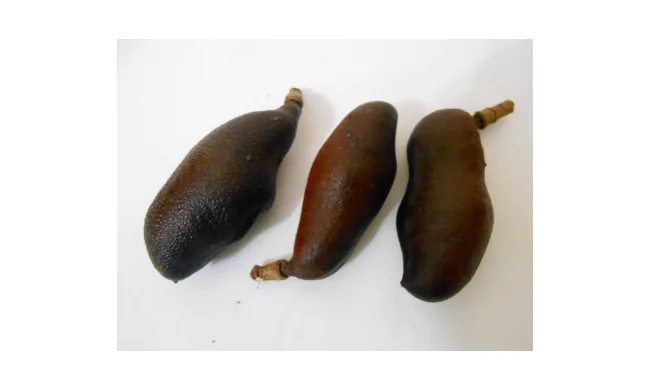
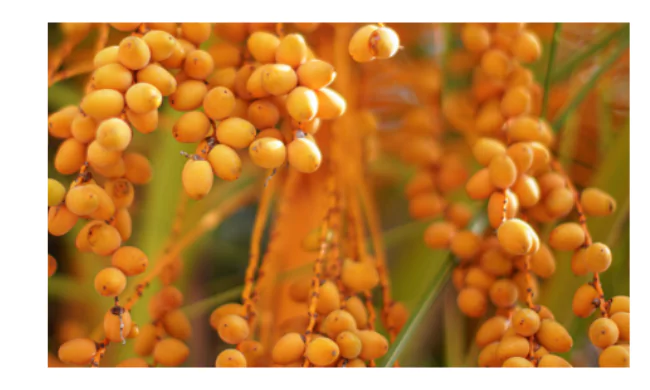
These small, yellowish-orange fruits grow in large bunches on the pindo palm. They have a sweet-tart, tropical flavor similar to pineapple and apricot. They contain a lot of natural pectin, making them great for making jelly.
The list of fruits that start with 'J' are as follow: Jaboticaba, Jujube, Jackfruit, Juneberry, Japanese Plum, Jambolan, Jostaberry
If you are looking for plant-based dietary fiber, two "J" fruits stand out:
With their vibrant colours, wholesome goodness, and delectable flavours, each of these J fruits is its invitation to a world of discovery.
Keep exploring and tasting, adventurers. Your next J-fruit could lead to a delightful surprise. Until our next excursion, keep adventuring and enjoying the goodness life offers, one fruit at a time.
